
لامپ فلورسنت در مقابل لامپ رشته ای: کارایی، هزینه و بهترین استفاده
تصور کنید 2000 لامپ برای بازسازی یک هتل بوتیک تهیه می کنید، و برگه مشخصات فقط می گوید "لامپ فلورسنت در مقابل لامپ رشته ای". سوال اول این نیست که...
 +86-18868663339 / +86-574-62067336


A سری چراغ رومیزی فلزی یک خط تولید روشنایی است که در اطراف یک پایه فلزی، قطب یا قاب ساخته شده است که سایه و اجزای الکتریکی را پشتیبانی می کند. پاسخ مستقیم برای هر کسی که گزینههای روشنایی را با هم مقایسه میکند این است که ساختمانهای مبتنی بر فلز به طور کلی پایداری ساختاری قویتر، اتلاف گرما پایدارتر و طیف وسیعتری از گزینههای تکمیلی را نسبت به لامپهای ساخته شده از مواد سبکتر مانند پلاستیک ساده ارائه میدهند. به همین دلیل است که یک سری چراغهای رومیزی فلزی خوشساخت معمولاً برای اتاقهای نشیمن، اتاق خواب، دفاتر و فضاهای مهماننوازی که قابلیت اطمینان طولانیمدت اهمیت دارد، انتخاب میشوند. در زیر، این مقاله دستهبندیهای طراحی، مواد، زمینه بازار و عوامل انتخاب مربوط به سری چراغهای رومیزی فلزی مدرن، سری چراغهای رومیزی فلزی قدیمی، و سری چراغهای رومیزی فلزی عتیقه را با استفاده از دادههای صنعت در صورت وجود تجزیه میکند.
در سراسر این راهنما، به سری چراغهای رومیزی فلزی اشاره شده است که شامل لامپهای جوی تزئینی، لامپهای پایه مرمری، طرحهای استوانهای ساده، چراغهای مطالعه قابل تنظیم و چراغهای کنار تخت فولاد ضد زنگ است. اینها پیکربندیهای رایجی را نشان میدهند که در یک سری چراغهای رومیزی فلزی معمولی یافت میشوند، و مقایسههای زیر برای کمک به خریداران و طراحان برای درک آنچه باید جستجو کنند، است.
به خوبی گرد سری چراغ رومیزی فلزی به طور معمول به سه گروه سبک گسترده سازماندهی می شود: مدرن، قدیمی و عتیقه. الف سری چراغ های رومیزی فلزی مدرن پایههای استوانهای یا هندسی تمیز، روکشهای مات یا برسکاری شده و رنگهای خنثی مانند سفید، مشکی یا فولادی براق را ترجیح میدهد که مناسب فضای داخلی معاصر و آپارتمانهای کوچک است. الف سری چراغ های رومیزی فلزی قدیمی اغلب شامل بازوهای فلزی بافتدار، سایههای پارچهای و رنگهای گرمتر برنزی یا برنجی قدیمی است که به زبان طراحی اواسط قرن اشاره دارد. یک سری چراغ رومیزی فلزی آنتیک بیشتر به جزئیات تزئینی، فلزکاری لایه ای و پایه های سنگین تر متمایل می شود که هنر سنتی را تداعی می کند، که اغلب با لهجه های مرمر یا سرامیک همراه است.
بسیاری از خانواده هایی که به دنبال یک گزینه روشنایی جمع و جور، مقرون به صرفه و آماده مونتاژ هستند، لامپ های فلزی ساده مینیمالیستی را با روشنایی خرده فروشی با بسته بندی معمولی مقایسه می کنند. این هدف جستجو عموماً بر روی طرحهای استوانهای ساده با روکشهای سفید یا مشکی متمرکز است تا هر تامینکنندهای، و یک سری چراغهای رومیزی فلزی مدرن معمولاً میتواند همان نیاز مینیمالیستی و آسان برای قرار دادن را بدون تزئینات اضافی برآورده کند.
| گروه سبک | مواد پایه معمولی | پایان مشترک | بهترین تنظیم مناسب |
|---|---|---|---|
| سری چراغ رومیزی فلزی مدرن | فولاد، آلومینیوم | سفید مات، مشکی، نقره ای برس خورده | آپارتمان ها، ادارات، فضای داخلی مینیمالیستی |
| سری چراغ های رومیزی فلزی قدیمی | آهن، فلز با روکش برنج | برنز کهنه، سخت افزار مشکی | اتاق های نشیمن، گوشه های مطالعه |
| سری چراغ رومیزی فلزی آنتیک | فلز ریخته گری، فلز با پایه سرامیکی یا مرمری | حکاکی زینتی پتینه تیره | اتاق نشیمن رسمی، لابی مهمان نوازی |
ارزش اصلی a سری چراغ رومیزی فلزی از فلز پایه و نحوه پردازش آن می آید. فلزات پایه رایج عبارتند از آهن، آلومینیوم، مس و فولاد ضد زنگ که هر کدام تعادل وزن، مقاومت در برابر خوردگی و هزینه متفاوتی را ارائه می دهند. در طول تولید، اجزای فلزی خام معمولاً ریختهگری، آهنگری، جوش داده میشوند یا به شکل بریده میشوند، سپس آسیاب و صیقل داده میشوند تا سوراخها از بین بروند تا سطح در برابر لمس صاف شود. سپس عملیاتهای سطحی مانند آبکاری الکتریکی، پاشش پودر و برس زدن برای دستیابی به رنگ و بافت ثابت در یک سری کامل تولید اعمال میشوند.
از آنجایی که یک چراغ رومیزی روی مبلمان در دسترس فعالیت روزانه خانه قرار می گیرد، توزیع وزن پایه و ایمنی سیم کشی عوامل اصلی طراحی برای هر سری چراغ های رومیزی فلزی هستند. یک پایه فلزی گسترده تر یا سنگین تر، مرکز ثقل را پایین می آورد و احتمال واژگونی را کاهش می دهد، که به ویژه برای قرار دادن کنار تخت و میز کار بسیار مهم است. سیم کشی داخلی باید از لبه های تیز دور باشد و محصولاتی که برای بازارهایی مانند اتحادیه اروپا، بریتانیا یا ایالات متحده در نظر گرفته شده است معمولاً حمل می شوند. CE، ERP یا RoHS علامتهای انطباق که نشان میدهند محصول از محدودیتهای ایمنی الکتریکی و مواد زیستمحیطی تعریفشده عبور کرده است.
بر اساس گزارش بازار چراغهای رومیزی منتشر شده توسط Global Growth Insights، ارزش بازار جهانی چراغهای رومیزی تقریباً برآورد شده است. 2950 میلیون دلار در سال 2025 و پیش بینی می شود که به طور تقریبی رشد کند 5913 میلیون دلار تا سال 2035 ، منعکس کننده نرخ رشد مرکب سالانه نزدیک است 7.2 درصد . این روند رشد پایدار یک نقطه مرجع مفید برای درک تقاضا برای سری چراغهای رومیزی فلزی به طور خاص است، زیرا ساخت و ساز مبتنی بر فلز یکی از رایجترین فرمتها در دستههای نورپردازی مسکونی و تجاری سبک است.
این نمودار خطی یک شیب ثابت به سمت بالا را نشان میدهد تا یک افزایش ناگهانی، که نشان میدهد رشد تقاضا برای چراغهای رومیزی، از جمله طرحهای مبتنی بر فلز، تدریجی و ثابت بوده است تا اینکه ناشی از یک روند کوتاهمدت باشد. فاصله ثابت بین نقاط داده نشان می دهد که نرخ رشد سالانه ترکیبی در طول دوره گزارش نسبتاً ثابت مانده است. برای تولیدکنندگان و خریداران، این الگو نشان میدهد که سری چراغهای رومیزی فلزی احتمالاً در دهه آینده بهجای یک مد طراحی کوتاهمدت، در دسته محصولات مرتبط باقی خواهند ماند. روند صعودی به طور کلی به هزینه های بیشتر در دکوراسیون خانه، ادامه فعالیت های نوسازی، و علاقه رو به رشد به نورپردازی لایه ای محیط به جای تکیه بر یک سقف واحد نسبت داده می شود. خوانندگانی که یک سری چراغهای رومیزی فلزی مدرن یا یک سری چراغهای رومیزی فلزی قدیمی را برای یک پروژه نوسازی ارزیابی میکنند، میتوانند این رشد ثابت را بهعنوان زمینهای تلقی کنند که نشان میدهد این دسته قدرت ماندگاری طولانیمدت دارد تا اینکه یک روند موقت باشد.
گزارشهای صنعت از 360 گزارش تحقیقاتی در بخش چراغهای رومیزی LED، چندین تغییر در سطح ویژگی مربوط به نحوه طراحی و تولید سری چراغهای رومیزی فلزی را یادداشت میکنند. نمودار زیر الگوهای پذیرش گزارش شده در میان راه اندازی چراغ های رومیزی جدید را خلاصه می کند، که به توضیح اینکه چرا پیکربندی های خاص، مانند پایه های تزئینی چند منظوره، در سری چراغ های رومیزی فلزی مدرن رایج تر شده اند، کمک می کند.
طولانیترین نوار در این نمودار نشاندهنده طرحهای تزئینی و چند منظوره است که طبق گزارش ذکر شده، تقریباً به 60 درصد از راهاندازیهای جدید رسیده است و نشان میدهد که ظاهر و تطبیقپذیری اکنون در تصمیمگیریهای توسعه محصول سنگینی میکند. ادغام شارژ USB دومین دسته بزرگ است که نشان می دهد چگونه یک سری چراغ رومیزی فلزی به طور فزاینده ای انتظار می رود که از شارژ دستگاه مجاور بدون لوازم جانبی جداگانه پشتیبانی کند. رشد تقاضا برای روشنایی کاری با لومن بالا نشان دهنده علاقه مداوم به لامپ های مطالعه و فضای کار در همان دسته وسیع است. رشد استفاده از مواد بازیافتی نشان میدهد که شیوههای منبعیابی برای فلز و سایر اجزا در طول زمان به سمت ورودیهای پایدارتر تغییر میکنند. شارژ بیسیم کوچکترین نوار باقی میماند، که نشان میدهد هنوز یک ویژگی نوظهور و نه رایج است، که خریداران میتوانند هنگام مقایسه یک سری چراغهای رومیزی فلزی مدرن با گزینههای قدیمیتر قدیمیتر یا قدیمیتر که معمولاً این عملکرد را ندارند، به خاطر بسپارند.
برای قرار دادن سری چراغهای رومیزی فلزی در زمینه وسیعتر، نمودار زیر نرخهای رشد سالانه ترکیبی گزارششده را در بخشهای نورپردازی مرتبط با هم مقایسه میکند، که بر اساس ارقام از بینش رشد جهانی، گزارشهای تحقیقاتی 360، بینشهای عمیق بازار، و تحقیقات بازار Dataintelo است.
مقایسه این چهار میله نشان میدهد که بخش لامپهای رومیزی لوکس و طبقهای دارای بالاترین نرخ رشد گزارششده با تقریباً 8.5 درصد است، که نشان میدهد محصولات صنایع دستی بالاتر، از جمله سری چراغهای رومیزی فلزی آنتیک با جزئیات، بیشتر از حد متوسط علاقه دارند. رده کلی لامپ های رومیزی تقریباً با 7.2 درصد پشت سر گذاشته شده است که نشان دهنده تقاضای گسترده و پایدار در سطح قیمت و سبک اصلی است. لامپهای رومیزی LED و لامپهای شارژی بیسیم نرخ رشد کمی پایینتر اما همچنان سالم را بین 6.5 تا 6.8 درصد نشان میدهند که نشاندهنده گسترش پایدار و نه انفجاری در آن دستههای فرعی وابسته به فناوری است. از آنجایی که یک سری چراغهای رومیزی فلزی را میتوان در تمامی این طبقات کاربردی، از طرحهای سیمدار ساده گرفته تا قطعات تزئینی دقیقتر، تولید کرد، این دسته بهگونهای موقعیت دارند که از روند رشد در بیش از یکی از این بخشها به طور همزمان بهره ببرند. این مقایسه برای طراحان و خردهفروشانی مفید است که تصمیم میگیرند چگونه مجموعهای از نور را بین قطعات ساده مدرن و محصولات قدیمیتر یا قدیمیتر تخصیص دهند.
نمودار رادار زیر یک مقایسه گویا از ویژگی های طراحی معمولی در سه گروه سبک در یک سری چراغ رومیزی فلزی ارائه می دهد. این رتبهبندیها بر اساس ویژگیهای طراحی و ساخت و ساز کلی است که قبلاً در این مقاله توضیح داده شد، نه یک بررسی خارجی خاص، و بهعنوان یک راهنمای نسبی بهجای اندازهگیری مطلق در نظر گرفته شدهاند.
شکل آبی که مجموعهای از چراغهای رومیزی فلزی مدرن را نشان میدهد، در امتداد تطبیقپذیری طراحی و محورهای تناسب اتاق نشیمن گسترش مییابد، که نشان میدهد چگونه فرمهای هندسی ساده تمایل به تناسب با طیف وسیعتری از سبکهای داخلی دارند. شکل قرمز برای سری چراغهای رومیزی فلزی قدیمی در هر پنج محور متعادلتر است، با کشش کمی قویتر به سمت جزئیات کاردستی نسبت به گروه مدرن. شکل کهربایی برای سری چراغهای رومیزی فلزی عتیقه، در طول دوام و جزئیات کاردستی، با پایههای ریختهگری سنگینتر و فلزکاری لایهای که معمولاً در آن گروه استفاده میشود، مطابقت دارد. امتیازات اتلاف گرما در هر سه گروه نسبتاً نزدیک است، زیرا فلز به عنوان ماده پایه عموماً گرما را از محفظه لامپ بدون توجه به سبک سطح هدایت می کند. این مقایسه میتواند به خریدار کمک کند تا تصمیم بگیرد که کدام سبک با یک اتاق خاص مطابقت دارد، به عنوان مثال، یک سری چراغهای رومیزی فلزی مدرن برای یک اتاق نشیمن کوچک که مرتباً مرتب میشوند، یا یک سری چراغهای رومیزی فلزی آنتیک برای یک چیدمان رسمی و مبلمان ثابت انتخاب کنید.
تصویر ایزومتریک زیر، بر اساس روشهای ساخت که در بخش مواد اولیه این مقاله توضیح داده شد، چهار جزء ساختاری اصلی مشترک در اکثر موارد در سری چراغهای رومیزی فلزی را نشان میدهد.
جزء اول، سایه، در بالای اکثر طرح ها قرار می گیرد و بسته به اینکه این قطعه متعلق به سری چراغ های رومیزی فلزی مدرن، قدیمی یا آنتیک باشد، می تواند از پارچه، شیشه یا مش فلزی ساخته شود. جزء دو، قطب فلزی، محفظه سوکت را به پایه متصل می کند و معمولاً یک لوله محکم یا تقویت شده است که سیم کشی داخلی را به طور ایمن از دید خارج می کند. جزء سوم، محفظه سوکت، لامپ را نگه می دارد و عموماً از مواد مقاوم در برابر حرارت برای مدیریت دما در طول استفاده طولانی ساخته شده است. جزء چهار، پایه فلزی، پایداری لازم برای ایستادن لامپ را فراهم می کند و قطر و وزن آن معمولاً بر اساس ارتفاع کلی قطعه تنظیم می شود. درک این چهار جزء به خریداران کمک می کند کیفیت ساخت را هنگام مقایسه لیست های موجود در هر سری چراغ های رومیزی فلزی ارزیابی کنند، زیرا نقاط ضعف اغلب در اتصالات بین این بخش ها ظاهر می شود.
هنگام انتخاب یک سری چراغ های رومیزی فلزی برای اتاق نشیمن، اندازه اتاق، رنگ مبلمان موجود و هدف نورپردازی، سه عامل کاربردی ترین فاکتورها هستند. اتاق نشیمن که عمدتاً برای خواندن یا کارهای نمای نزدیک مورد استفاده قرار می گیرد، از طراحی با بازوی قابل تنظیم و سایه نسبتاً متمرکز، مشابه لامپ های مطالعه سبک اداری قابل تنظیم که قبلاً توضیح داده شد، سود می برد. اتاق نشیمن که برای روشنایی عمومی محیط استفاده می شود، اغلب با سایه وسیع تری که نور را به طور گسترده تری در سرتاسر محل نشستن پخش می کند، بهتر مورد استفاده قرار می گیرد. خریدارانی که فضایی را با رنگهای چوبی گرم تزئین میکنند، به خوبی با یک سری چراغهای رومیزی فلزی قدیمی یا قدیمی هماهنگ میشوند، در حالی که خریداران در یک اتاق نشیمن مینیمالیست یا تک رنگ اغلب به سمت یک سری چراغهای رومیزی فلزی مدرن با پایه استوانهای یا هندسی ساده تمایل دارند.
Yuyao Baolong Electrical Appliance Co., Ltd. که در سال 2010 تأسیس شد، یک تولید کننده و صادر کننده است که بر روی طراحی، توسعه و تولید روشنایی با پوشش تسهیلات متمرکز است. 6500 متر مربع و بیشتر از 130 کارمند . این شرکت سری لامپ های رومیزی فلزی را در کنار لامپ های کف و لامپ های سقفی تولید می کند و این محصولات در بازارهای استرالیا، اروپا و ایالات متحده به فروش می رسد. بسیاری از اقلام در محدوده محصولات خود را حمل می کند CE، ERP و RoHS نشانهای گواهی، حمایت از انطباق با انتظارات رایج ایمنی روشنایی بینالمللی. این شرکت از ترتیبات سفارش OEM و ODM برای مشتریانی که به دنبال پیکربندی های سفارشی در سری چراغ های رومیزی فلزی هستند، از جمله تنظیمات مربوط به نوع فلز، پوشش سطح و پارامترهای روشنایی، پشتیبانی می کند.
Q1: چه چیزی یک سری چراغ رومیزی فلزی را از سایر مواد لامپ متفاوت می کند؟
سری لامپهای رومیزی فلزی معمولاً در مقایسه با پایههای پلاستیکی یا رزین سبکتر، پشتیبانی ساختاری قویتر و اتلاف گرمای پایدارتر، همراه با طیف گستردهتری از گزینههای تکمیلی مانند آبکاری، پاشیدن و برس زدن ارائه میدهند.
Q2: یک سری چراغ رومیزی فلزی قدیمی چه تفاوتی با سری چراغ های رومیزی فلزی قدیمی دارد؟
سری چراغهای رومیزی فلزی قدیمی معمولاً به طراحی اواسط قرن با بازوهای بافتدار و سایههای پارچه اشاره دارد، در حالی که سری چراغهای رومیزی فلزی آنتیک بیشتر به جزئیات تزئینی و پایههای ریختهگری سنگینتر که اغلب با لهجههای مرمری یا سرامیکی ترکیب میشوند، متمایل است.
Q3: چه گواهینامه هایی باید در سری چراغ های رومیزی فلزی قبل از خرید بررسی شود؟
نشانههای رایجی که باید به دنبال آنها باشید عبارتند از CE، ERP و RoHS که به ایمنی الکتریکی و رعایت مواد محدود در بسیاری از بازارهای بینالمللی مربوط میشوند.
Q4: آیا یک سری چراغ رومیزی فلزی مدرن برای یک اتاق نشیمن کوچک مناسب است؟
بله، یک سری چراغهای رومیزی فلزی مدرن با پایههای استوانهای یا هندسی فشرده معمولاً برای اتاقهای نشیمن کوچکتر مناسب است، زیرا روکش خنثی و ردپای ساده آن در چیدمانهای مبلمان متنوع قرار میگیرد.
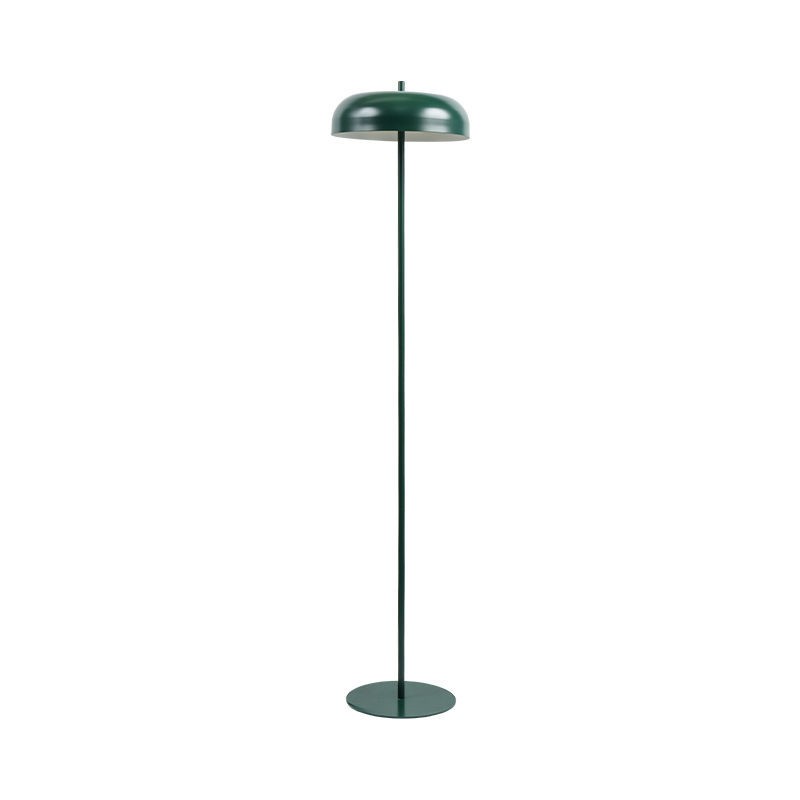
تصور کنید 2000 لامپ برای بازسازی یک هتل بوتیک تهیه می کنید، و برگه مشخصات فقط می گوید "لامپ فلورسنت در مقابل لامپ رشته ای". سوال اول این نیست که...
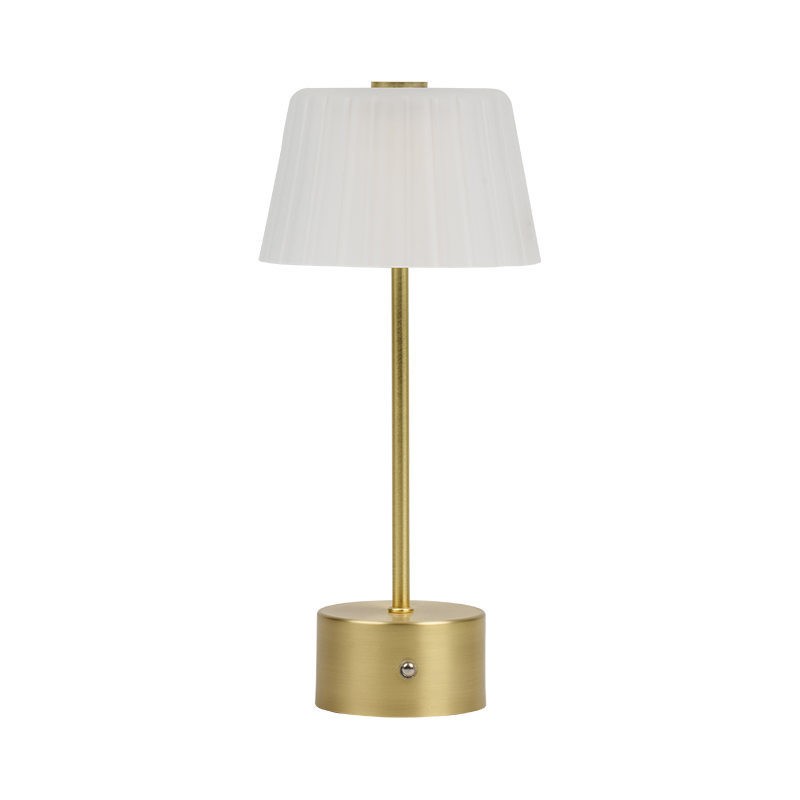
یک اپراتور رستوران در سیدنی در حال روشن کردن یک تراس حیاط است که پیمانکار هرگز سوکت در فضای باز نصب نکرده است. یک خریدار هتل به چراغ های کنا...
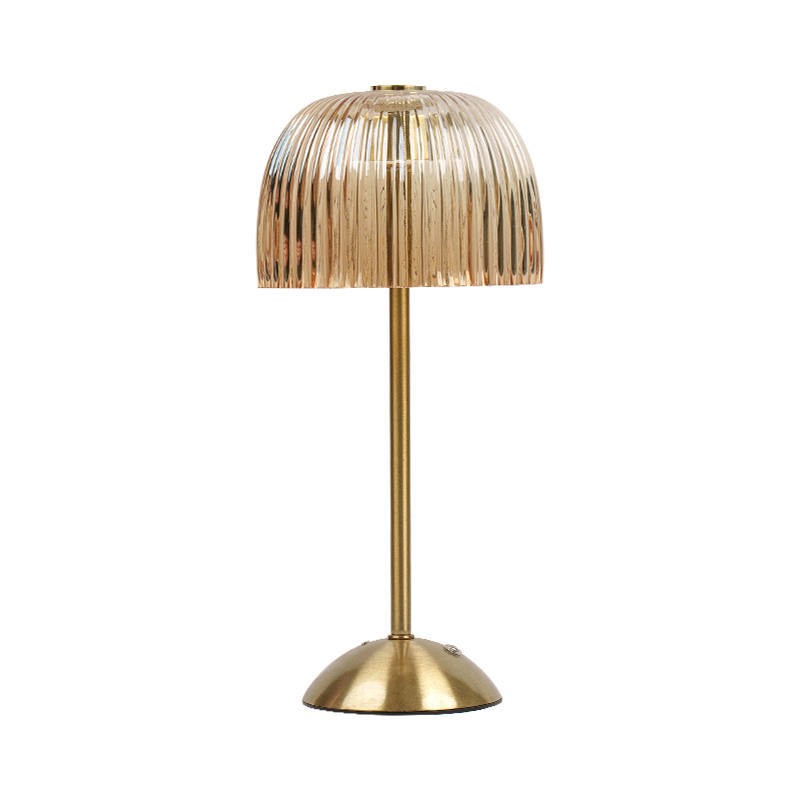
چرا مدل های شارژی لامپ های رومیزی شارژی در بازار روشنایی قراردادی جذابیت بیشتری پیدا می کنند؟ طرح شارژی چراغ رومیزی بی سیم مشکلی را که هر ...
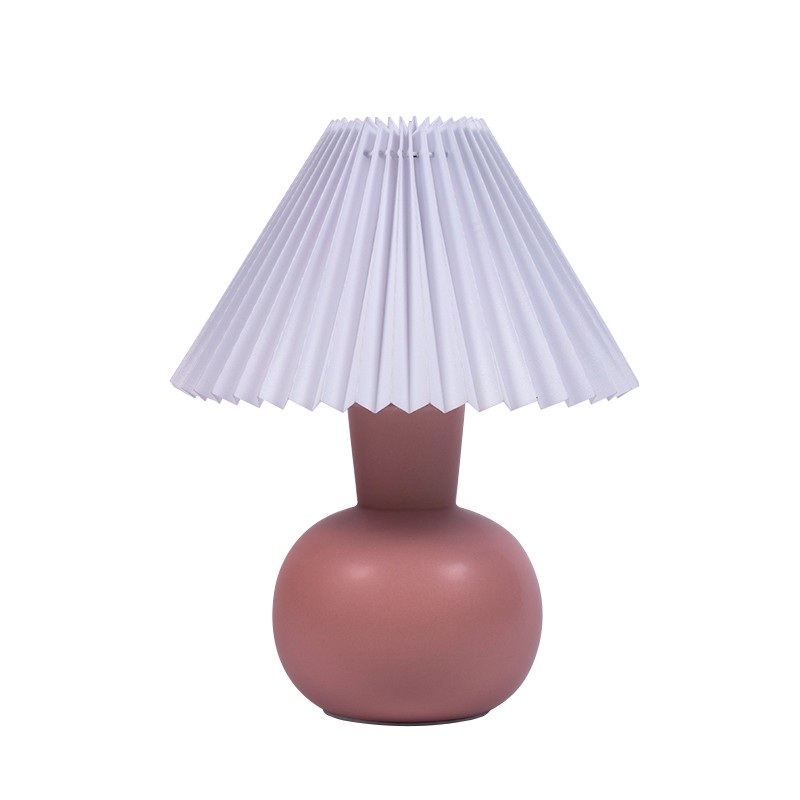
هر خریدار که منبع نورپردازی تزئینی را تهیه کرده است، با همان عدم تطابق روبرو شده است: طراحی کاتالوگ درست به نظر می رسد، پایان مورد تأیید قرار می...

 No.11 Gongji South Road ، شهر Linshan ، شهر یویائو ، استان ژجیانگ ، چین
کپی رایت © شرکت لوازم الکتریکی Yuyao Baolong ، Ltd. کلیه حقوق محفوظ است .

+86-18868663339
+86-574-62067336